Is It Possible to Experience Different Types of Migraine Headaches?
Did you know there are different types of migraines? Even if you’re someone who suffers from migraines, you might not know about the different types and how they vary from one another.
So, why do you need to know about the specific types of migraines?
There are a few reasons it’s important. First, it helps you better describe your symptoms to your doctor. Second, it can determine your treatment plan. Not all treatments work for all types of migraines.
By gaining a better understanding of your headaches and what type they are, you might be able to more accurately identify what your triggers are.
Two Major Kinds of Migraines—With Aura and Without Aura
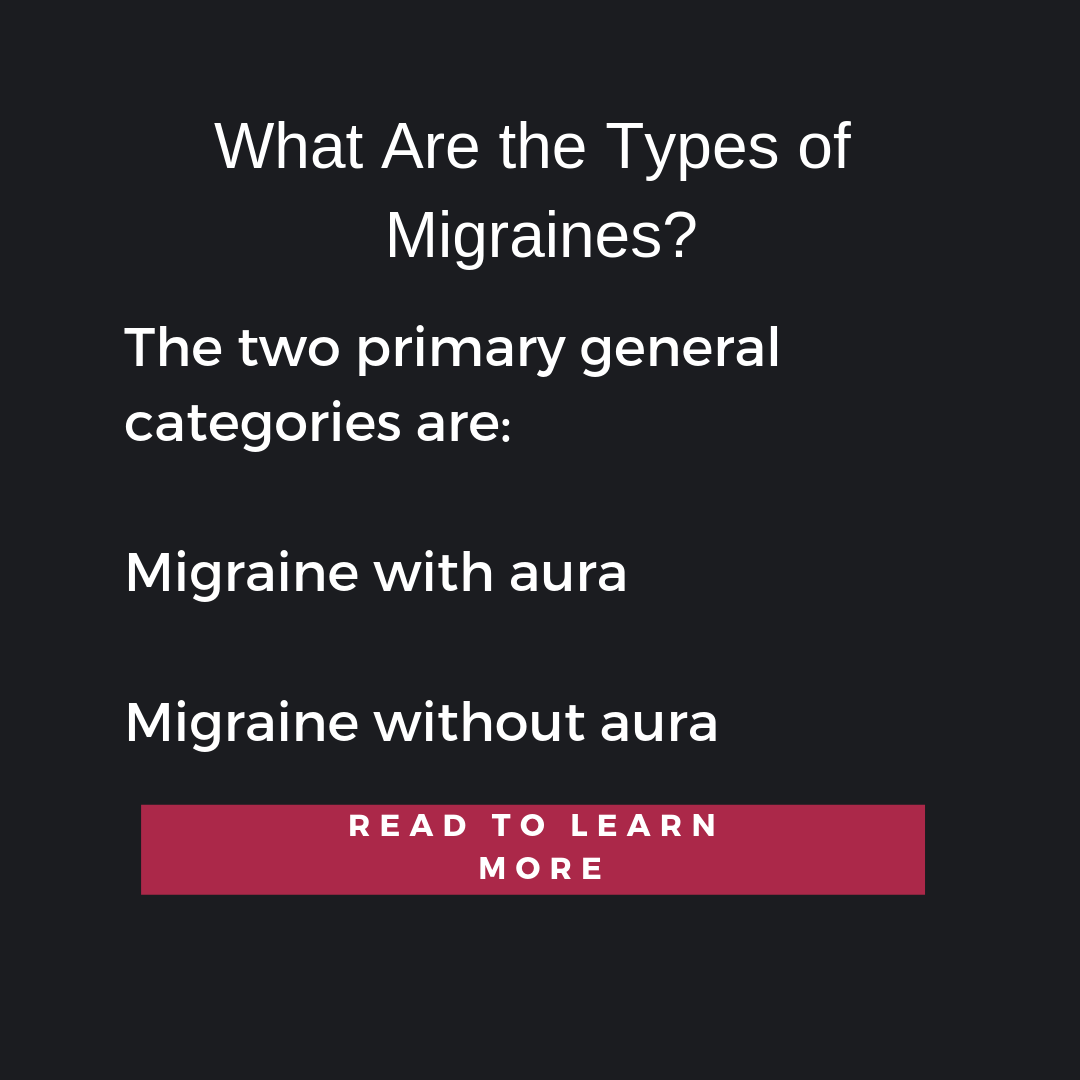
Broadly, migraines fall into two big categories. There are several other types of migraines, but these more specific types will fall into one of two large groups.
These are:
- Migraine with aura
- Migraine without aura
Migraine Without Aura
First, is the type of migraine more commonly experienced by most people—migraine without aura. Migraine without aura was at one point known as the Common Migraine.
Symptoms of migraine without aura include:
- Moderate to severe headache pain
- Occurs without warning
- Usually occurs on one side of the head
- Occurs with symptoms like nausea, confusion, mood changes
- Other symptoms might include sensitivity to stimuli and blurred vision
- Last 4 to 72 hours
- Movement typically makes them worse
- Migraines without aura will usually get worse if someone often uses medicine to treat the symptoms
Of people who experience migraines, 70 to 90 percent have migraine without aura.
Migraine with Aura
The less common type of migraine is called migraine with aura, previously known as Classic or Complicated Migraine. Migraine with aura is different because a person will have disturbances to their vision and other symptoms that serve as a warning that a migraine is coming.
Anywhere from 10 to 60 minutes before a headache actually starts is usually when someone will have the aura warning signs. The aura phase doesn’t last for more than an hour in most cases.
Symptoms of migraine with aura can include:
- Temporary loss of some or all vision
- Aura might happen without headache pain
- Numbness or muscle weakness on one side of the body
- Strange sensations
- Tingling in the hands or face
- Confusion
- Problems speaking
- Nausea
- Loss of appetite
- Increase sensitivity to light, sound and noise
Chronic Migraine
Chronic migraine is one specific type of migraine that can be especially hard for people to deal with. The primary feature of chronic migraine is that someone has headaches on more than 15 days a month.
According to the International Headache Society, a chronic migraine not only occurs more than 15 days per month, but it happens over at least three months.
If someone has less than 15 headache days a month, it’s called episodic migraine.
Effects of Chronic Migraine
The following are important things to know about this type of migraine:
- Chronic migraine affects very few people compared to most other types of migraine
- People with chronic migraines typically miss a significant amount of school or work
- An estimated 50 percent reduction in productivity from school or work occurs on average with chronic migraines
- The World Health Organization characterized chronic migraines as the same level of disability as dementia and acute psychosis
- The WHO defines it as more debilitating than blindness and rheumatoid arthritis
- 73 percent of people with chronic migraines may overuse headache medicine, which can increase the complications they deal with
Menstrual Migraine
Menstrual migraine occurs before or with women’s menstruation. Menstrual migraine isn’t the same as having menstruation as a migraine trigger.
The cause of menstrual migraine is believed to be dipping levels of estrogen. This type of migraine is most likely to occur in the two days before a woman begins her period and within the first three days of a period.
A menstrual migraine doesn’t have an aura, and it affects an estimated 10 percent of women. A menstrual migraine may be related to the release of prostaglandin that occurs within the first 48 hours of menstruation, as well as the decline of estrogen.
Image Source Pixabay
Hemiplegic Migraine
Hemiplegic migraine is a rare type of migraine that can cause serious symptoms. It’s actually known as a migraine variant. The following are some things to know about this type of migraine and its effects.
- A hemiplegic migraine refers to one in which there is paralysis on one side of the body
- Someone who has this type of migraine attack will have temporary weakness on one side of the body
- Along with weakness of the face, arm or leg, this type of migraine may also include a feeling of pins and needles
- Symptoms of this type of migraine can also include problems speaking and vision problems
- Confusion can occur
- Symptoms of a hemiplegic migraine feel similar to a stroke
- Weakness can last anywhere from an hour to a few days, but usually dissipates within 24 hours
- A headache may follow the weakness, but it may not occur at all with this type of migraine
Types of Hemiplegic Migraines
Within the category of hemiplegic migraine, there are two specific kinds. These are the familiar hemiplegic migraine and the sporadic hemiplegic migraine.
Familial Hemiplegic Migraine
A familial hemiplegic migraine is a type of migraine attack that happens in two or more people who are part of the same family. An estimated 50 percent of children with a parent who has hemiplegic migraine will also develop the disorder.
Certain genes are linked to the development of familial hemiplegic migraine.
Sporadic Hemiplegic Migraine
Another type of migraine is the sporadic hemiplegic migraine. There are symptoms of familial hemiplegic migraine, but there isn’t a known genetic or family relationship. The cause is considered unknown with this type of hemiplegic migraine.
Migraine with Brainstem Aura
A migraine with brainstem aura is a type of migraine that’s rare. It’s a subtype of migraine with aura, and current research on this type of migraine is fairly limited.
Symptoms of migraine with brainstem aura can include at least two of the following:
- Visual disturbances in both eyes
- Problems speaking and hearing
- Tingling in the hands and feet
- Ringing in the ears
- Dizziness
- Vertigo
This type of migraine was at one point known as a basilar artery migraine as well as a basilar migraine and a basilar-type migraine.
Ocular Migraine
An ocular migraine is a type of migraine headache causing vision loss or blindness temporarily—usually for an hour or less.
- An ocular migraine isn’t the same as a migraine with aura. An aura involves visual symptoms like flashing lights or blind spots, but they usually happen in both eyes. Ocular migraines typically only occur in one eye.
- Ocular migraines are also known as visual migraines, retinal migraines, and ophthalmic migraines. You might also see them called monocular migraines.
- Doctors aren’t entirely sure what causes ocular migraines, but they believe it could be related to spasms in the blood vessels of the retina or changes in the nerve cells in the retina.
While rare, it’s possible for people who have ocular migraines to be at increased risk for permanent vision loss.
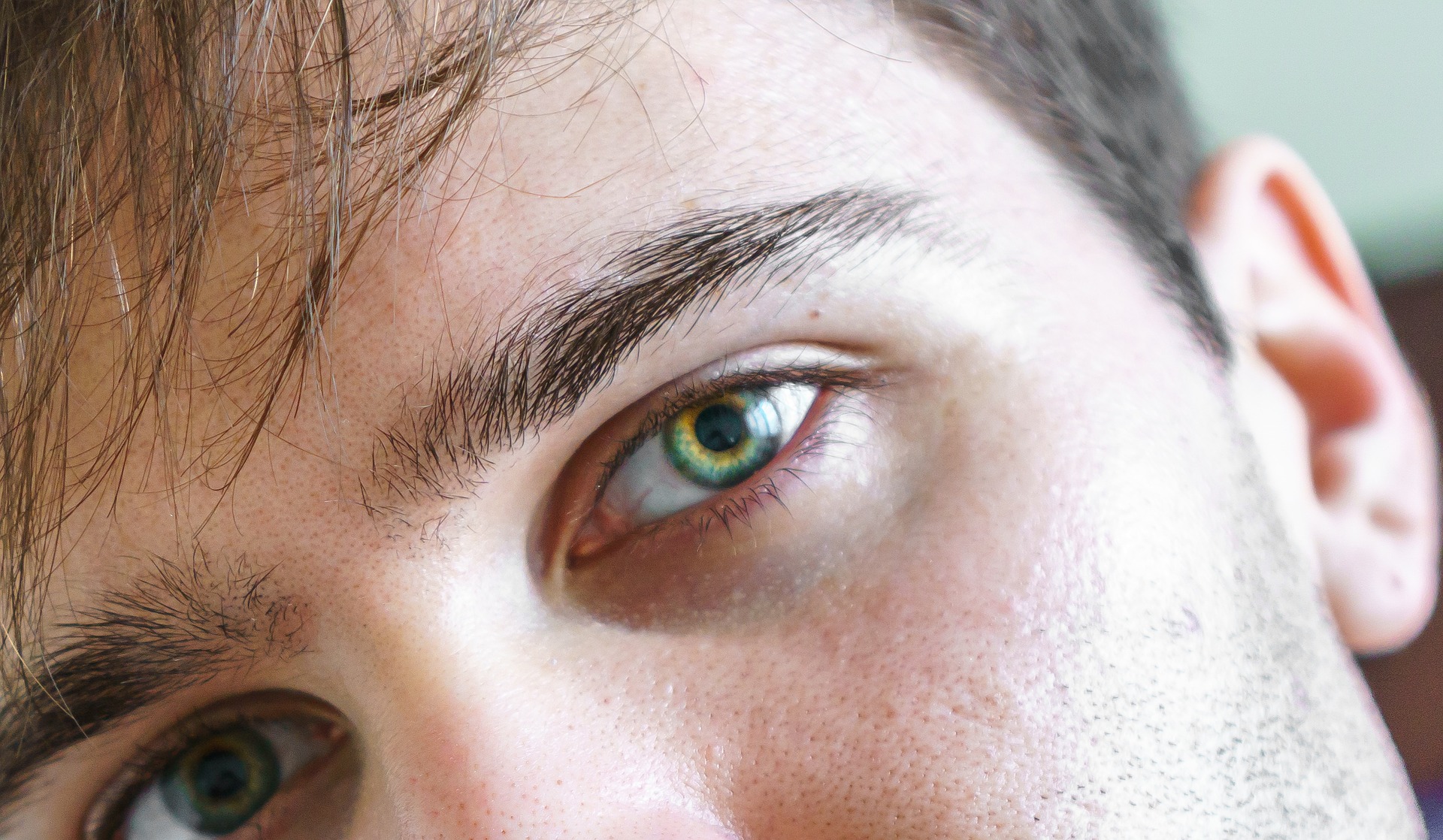
Image Source: Pixabay
Silent Migraine
A silent migraine is one where you have all the usual symptoms of a migraine without the head pain. For example, you may have the prodrome phase of a migraine where you experience certain symptoms such as irritation or changes or mood, food cravings, and stiffness in the neck.
People with silent migraines may experience the aura phase and the visual disturbances that come with this.
Other symptoms that can occur with a silent migraine can include:
- Vomiting
- Hot flashes
- Chills
- Stuffy or runny nose
- Vertigo
- Soreness in the neck or jaw
- Sensitivity to stimuli
- Confusion
- Fatigue
Migraine with Vertigo
When someone has a migraine with vertigo, it’s known as migrainous vertigo or vestibular migraine.
The following are some facts about migraine with vertigo:
- Migrainous vertigo can occur at any age and with or without a headache but most commonly occurs in people between the ages of 25 and 45
- Migrainous vertigo can occur without headache in up to 50 percent of people
- Vertigo symptoms can occur spontaneously without a known symptom and tend to more episodic
Headaches with vertigo, balance problems, and dizziness are also known as a vestibular migraine. Vestibular migraines are more common in people who had childhood migraines.
Abdominal Migraine
Abdominal migraine is a type of migraine most common in children.
Children aged 5 to 9 are most frequently affected by abdominal migraine, although people of any age can have this type of migraine.
When someone has an abdominal migraine, the symptoms include abdominal pain, nausea and vomiting. Many children who have abdominal migraines go onto have migraine headaches in adulthood.
Symptoms and things to know about abdominal migraines include:
- Pain is usually in the mid-abdomen around the belly button
- Abdominal pain may be dull or feel sore
- Other symptoms of an abdominal migraine can include nausea, vomiting and loss of appetite
- Attacks can last from 2 to 72 hours
- When someone has symptoms of abdominal migraine, their doctor might check for underlying conditions with similar symptoms such as kidney disorders or bowel obstruction

Image Source: Pixabay
Other Types of Headaches
Along with the types of migraines a person may have, headaches can also be broken into different categories.
Types of headaches include:
Tension Headaches
Tension headaches are one of the most common types of headache people experience. They occur occasionally, and most people have a tension headache every once in a while. Features and symptoms of tension headaches include:
- Tenderness in the head, neck, shoulders, and face
- Pressure behind the eyes
- Light and sound sensitivity
- Usually lasts anywhere from 30 minutes to a few hours
- Tension headaches don’t usually interfere with daily activities
- Common triggers include stress, anxiety, depression, loud noise, dehydration, eye strain and skipped meals
- Over-the-counter pain relievers are usually effective for tension headache pain
- Lifestyle changes such as getting more sleep and staying hydrated can also help with this type of headache
Cluster Headache
A cluster headache is a recurrent and severe type of headache. Men are six times more likely than women to suffer from cluster headaches, and the pain is often described as piercing or burning. Cluster headache pain tends to occur around one eye.
Symptoms of cluster headaches can include:
- Watery eye
- Swollen eyelid
- Runny nose or stuffy nose
- Light or sound sensitivity
- Agitation or irritation
- Sudden onset with no warning
- Last between 15 minutes and 3 hours
- Some people can have cluster headaches up to eight times a day
- Clusters can last for weeks or months
- Cluster headaches are more likely to occur in smokers
Exertional Headaches
An exertional headache is one that occurs because of doing strenuous exercise or activities. Triggers of an exertional headache can include running, weight lifting, jumping, and sexual intercourses. Severe coughing or sneezing can also trigger this type of headache.
Usually, they are short but can last up to two days in some cases.
Chronic Daily Headache
A chronic daily headache occurs when a person has a headache for more than four hours or more than 15 days a month. People with chronic daily headaches may have them for six months or more.
Possible causes of chronic daily headache can include:
- History of migraines
- Medication overuse
- Obesity
- Stress
- Being female
- Head injury
Medication-Overuse Headache
A medication-overuse headache can also be separated into its own category, even though it’s a common reason for chronic daily headaches. If someone uses acute pain relief medications more than twice or three times a week and more than ten days a month, it can create a cycle of medication-overuse headaches.
When someone struggles with this type of headache, they can keep taking medicine to ward off the pain, but that then leads to more headaches. Medication-overuse headaches can occur with both prescription and over-the-counter pain medicine.
High Altitude Headache
A high altitude headache is the main symptom people experience with they have altitude sickness. Along with the headache, when someone has high altitude sickness, they may have symptoms like nausea and loss of appetite as well.

Image Source: Pixabay
High altitude headaches tend to have the following characteristics:
- They occur at the front of the head near the templates
- They feel like dull aching pain, or they may create a sensation of pressing
- Mild to moderate intensity
- High altitude headaches are made worse by straining, exertion or movement
The more you learn about the types of migraines and headaches there are, the better able you may be to identify your own symptoms and work toward finding relief and treatment options that will be effective.